

Iranian delegation leaves Islamabad without meeting as fragile ceasefire raises questions over future negotiations
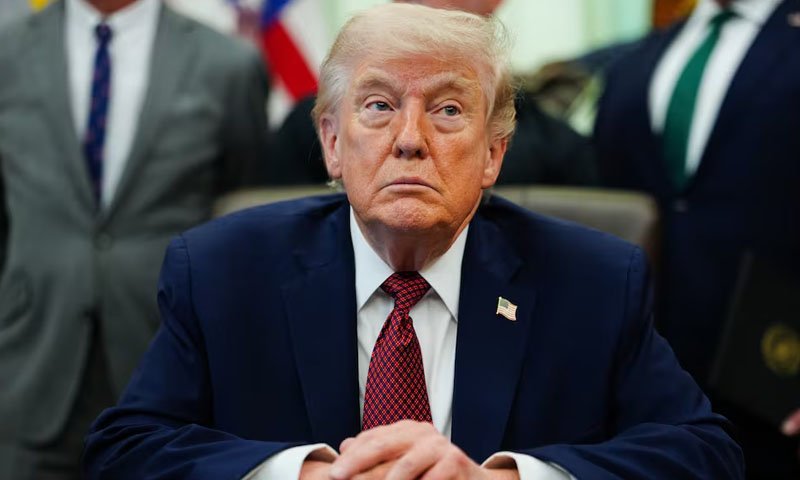
ISLAMABAD: Donald Trump has abruptly cancelled a planned US delegation visit to Pakistan for high-stakes talks with Iran, throwing fresh uncertainty over fragile diplomatic efforts aimed at easing tensions between the two adversaries.
The US president confirmed that Special Envoy Steve Witkoff and senior adviser Jared Kushner would no longer travel to Islamabad, despite earlier White House indications that the trip was imminent. The move comes just as an Iranian delegation, led by Foreign Minister Abbas Araghchi, concluded a brief and ultimately unproductive visit to Pakistan.
Speaking in an interview with Fox News, Trump dismissed the need for further travel-based diplomacy, citing inefficiency and lack of progress.
“I’ve told my people… you’re not making an 18-hour flight to sit around talking about nothing,” Trump said, signaling frustration with the pace and structure of ongoing negotiations.
In a follow-up post on his social media platform Truth Social, Trump went further, pointing to internal divisions within Iran’s leadership as a key obstacle.
“There is tremendous infighting and confusion within their leadership. Nobody knows who is in charge,” he wrote, reiterating his stance that the United States holds a dominant negotiating position.
Talks Collapse Despite Early Optimism
The cancellation marks a sharp reversal from earlier expectations. White House Press Secretary Karoline Leavitt had publicly confirmed that Witkoff and Kushner were preparing to travel to Pakistan to join what was being termed the “Islamabad Talks Phase-II.”
The talks were intended to build on initial engagements held earlier this month, which saw senior US officials, including Vice President JD Vance, meet Iranian representatives such as Parliament Speaker Mohammad Bagher Ghalibaf and Araghchi in Islamabad.
That first phase marked a rare direct interaction between the two countries but ended without a concrete agreement.
Iranian Delegation Departs Without Breakthrough
Diplomatic momentum appeared to stall completely when the Iranian delegation arrived in Islamabad late Friday but departed within hours on Saturday without engaging in formal negotiations with US representatives.
Despite the abrupt end to the visit, Araghchi described his trip to Pakistan as “very productive,” suggesting that groundwork had been laid for future engagement.
“Iran has shared a framework for a lasting end to the war,” he said, adding that the next step depends on whether Washington demonstrates genuine commitment to dialogue.
Ceasefire Holds For Now
The stalled talks come against the backdrop of a delicate ceasefire between the United States and Iran, reportedly brokered through Pakistan’s diplomatic channels. The truce, initially set for 14 days, has now been extended to 60 days, offering a limited window for continued negotiations.
Analysts warn that while the ceasefire provides breathing room, the lack of direct engagement could weaken prospects for a long-term agreement.
Former UN ambassador Maleeha Lodhi noted that diplomacy remains a gradual process and emphasized that additional rounds of talks are likely within the current ceasefire period.
What Comes Next?
Experts suggest that despite the current setback, the “Islamabad Talks Phase-II” may still materialize in the coming weeks if both sides recalibrate their strategies.
However, Trump’s decision underscores a broader shift toward a more hardline negotiating posture, potentially complicating already fragile diplomatic dynamics.
With geopolitical stakes high and trust between Washington and Tehran still limited, the path forward remains uncertain hinging on whether both sides are willing to return to the table before the ceasefire window closes.
About The Author