
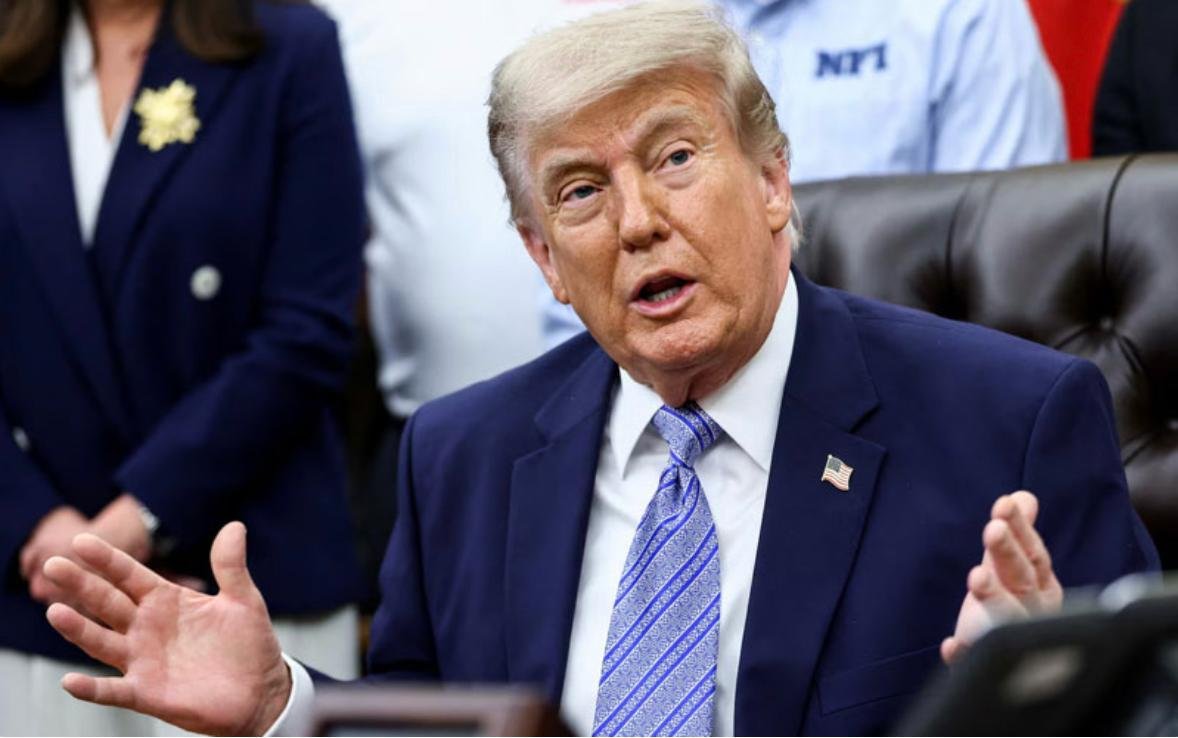

Senate confirmations give Trump-backed Republicans the votes needed to potentially reverse key National Labor Relations Board precedents affecting unions and employers.
WASHINGTON: The U.S. Senate has confirmed two of President Donald Trump’s nominees to the National Labor Relations Board, strengthening Republican control over the federal agency responsible for enforcing private-sector labor law and potentially paving the way for major changes to union-related policies.
The Republican-led Senate approved a package of more than 70 federal nominees in a 51-47 vote Friday. Among those confirmed were James Macy, a Republican, and David Prouty, a Democrat and former union attorney who was approved for a second term.
Macy previously held several positions at the U.S. Department of Labor and spent about four decades representing employers in labor disputes. Prouty, meanwhile, has been the board’s only Democrat and will continue serving as a member.
The five-member NLRB traditionally consists of two Democrats, two Republicans and a presidentially designated chair. The new appointments give Republicans the additional vote needed to potentially revisit established board precedents.
The NLRB investigates unfair labor practice complaints involving private-sector workers and unions, oversees workplace representation elections and issues rulings that can ultimately be challenged in federal court.
The agency has already begun moving toward policies favored by employers. Republican board members Scott Mayer and Chairman James Murphy have revived a standard that makes it more difficult to hold companies responsible as joint employers of contracted workers. The board has also transferred jurisdiction over a case involving SpaceX to another federal agency.
The latest confirmations could further shift the balance on issues important to organized labor, particularly as unions have experienced increased organizing activity in recent years.
The board has also faced significant legal and institutional challenges. It temporarily lost its quorum after Trump removed Democratic member Gwynne Wilcox last year, leaving hundreds of cases unresolved. Wilcox challenged the dismissal in court and briefly regained her position before an appeals court halted and reversed that outcome.
The dispute remains tied to a broader constitutional fight over presidential authority to remove independent-agency officials. In June, the U.S. Supreme Court upheld Trump’s removal of a Democratic Federal Trade Commission member, ruling that statutory protections limiting presidential removal authority were invalid. Wilcox’s separate petition asking the Supreme Court to review her case remains pending.
About The Author