

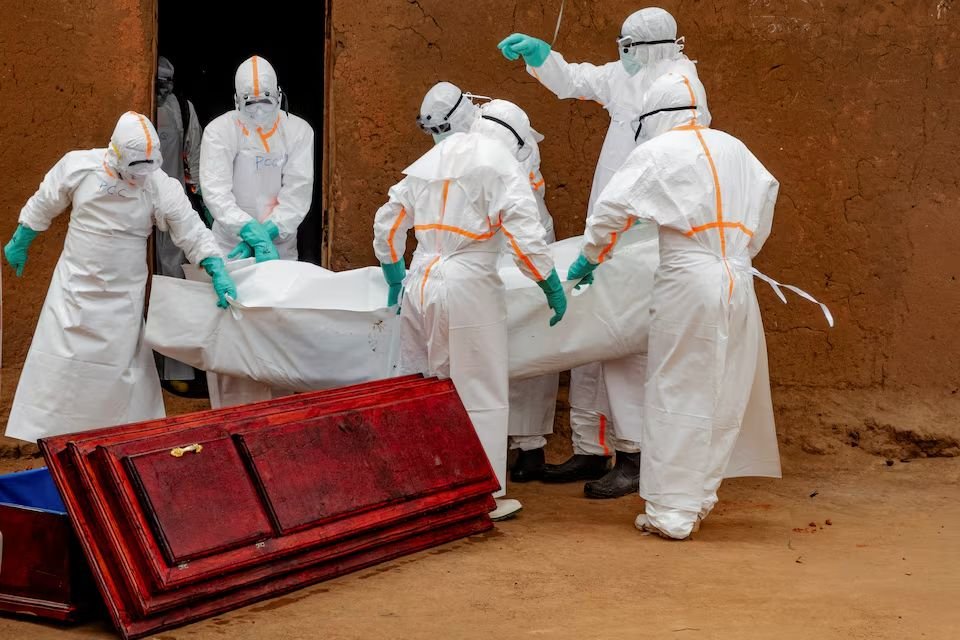

DR Congo’s Ebola outbreak has surpassed 4,000 confirmed infections, with 1,850 deaths reported across five provinces as containment efforts face major challenges.
The Democratic Republic of Congo is facing a rapidly escalating Ebola outbreak, with official figures showing that confirmed infections have now surpassed 4,000 and the death toll has reached 1,850.
According to the country’s national public health institute, a total of 4,053 Ebola infections have been recorded across five provinces: Ituri, North Kivu, South Kivu, Haut-Uele and Tshopo.
The scale and speed of the outbreak have raised serious concerns among health authorities. Research published in the journal Science indicates that Ebola was circulating in Ituri as early as January 2026, several months before authorities officially declared the epidemic on May 15. More than 500 suspected cases were reported during that early period, suggesting that transmission was already underway before the outbreak was formally recognized.
Health officials are facing several obstacles in efforts to contain the virus. Delays in detecting infections, strained disease-surveillance systems and overwhelmed health facilities are making it harder to identify and isolate cases quickly.
The continuing armed conflict in parts of eastern DR Congo is adding another major challenge. Insecurity can restrict access to affected communities and make it difficult for health workers to conduct surveillance, contact tracing and other outbreak-control measures.
Another concern is the lack of vaccines or targeted treatments specifically tailored to the viral species involved in the current outbreak, limiting the tools available to health authorities as transmission continues.
About The Author