

Pakistan increases reliance on domestic energy sources as rising global oil and RLNG costs threaten fuel supplies and electricity generation.
ISLAMABAD: Pakistan is facing mounting pressure on its energy sector as disruptions to key regional shipping routes drive international fuel prices higher and raise concerns over supplies and electricity generation.
Federal ministers said Tuesday that the government was closely monitoring the situation and had taken measures to contain the impact of the global energy shock. They said greater reliance on domestic energy resources had helped Pakistan avoid a more serious power crisis.
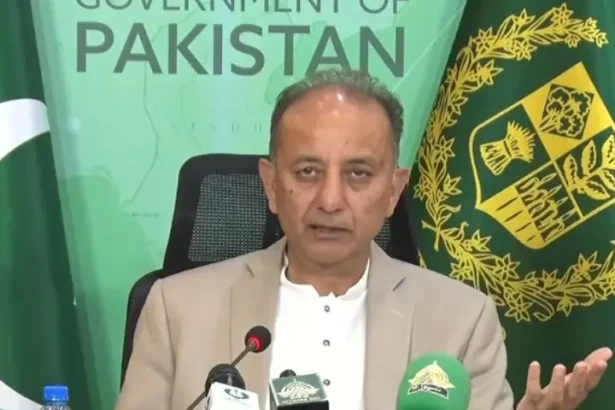
Climate Change Minister Musadik Malik said international crude oil prices had crossed $100 per barrel again, linking the recent increase in domestic petrol prices to the continued rise in global oil prices and the ongoing conflict in the Middle East.
The government is seeking to cushion vulnerable consumers through the Prime Minister’s Fuel Relief Scheme. Under the programme, motorcyclists will receive relief on five litres of petrol a week, while car owners will be eligible for relief on 10 litres every 10 days.
Malik said the government was providing Rs100 per litre in relief under the scheme. He acknowledged that the assistance would not fully offset the impact of higher fuel prices, but said it represented the maximum support the economy could currently sustain.
He said the programme could provide meaningful assistance to low-income households, particularly delivery riders and families dependent on small vehicles who face higher fuel costs while maintaining similar daily travel requirements.
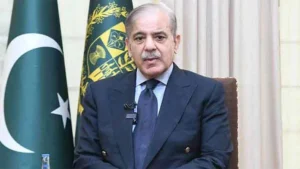
Meanwhile, Energy Minister Sardar Awais Ahmad Khan Leghari said Pakistan had maintained electricity generation despite disruptions affecting imported fuel supplies.
According to Leghari, domestic sources accounted for 72% of the country’s electricity generation in August. Hydropower contributed 38%, followed by local coal at 11%, nuclear energy at 10%, local gas at 7%, wind at 6% and solar power at 1%. Imported coal and RLNG accounted for the remaining 28%.
Leghari said disruptions in the RLNG supply chain had pushed spot cargo prices to around $23.25 per MMBtu. Additional domestic gas arranged for the power sector helped reduce the need for more expensive imported fuel, he said.
The minister said that without the additional domestic gas, Pakistan could have faced another hour of load shedding. Greater reliance on furnace oil or imported RLNG could also have increased consumer electricity costs by around Rs10.6 billion.
The government has accelerated implementation of the Fuel Relief Scheme, with a national steering committee directing that payments to participating fuel stations be processed within 24 hours. Provinces were also asked to complete district-level arrangements to ensure eligible consumers receive the relief without disruption.
The scheme, initially tested in Islamabad, is scheduled to expand nationwide from midnight.
The sharp rise in petrol and diesel prices has also prompted speculation about a possible return of austerity measures and restrictions on business hours. Ministers, however, rejected reports that a new “smart lockdown” was being considered.
About The Author