

Government warns new licensing fees may slow rooftop solar adoption and burden middle-income households
ISLAMABAD: Pakistan’s Power Division has formally approached the National Electric Power Regulatory Authority (NEPRA), urging it to restore a fee waiver and licensing exemption for small-scale solar consumers installing systems up to 25 kilowatts (kW), officials confirmed.
In an official communication, the Power Division expressed concern that recent regulatory revisions requiring licensing approvals and application fees for smaller net-metered solar systems could discourage the growth of renewable energy adoption, particularly among residential users and small businesses.
Under the earlier Net Metering Regulations introduced in 2015, solar installations of up to 25 kW were exempt from NEPRA’s licensing requirements. Applications were processed directly by electricity distribution companies (DISCOs) without any associated fees, significantly reducing administrative hurdles and enabling faster adoption of rooftop solar solutions.
However, the revised framework has brought these smaller systems under NEPRA’s direct oversight, introducing procedural requirements and financial costs that officials say may act as a deterrent. The Power Division warned that this shift could undermine momentum in Pakistan’s transition toward clean energy.
“The previous simplified mechanism played a key role in expanding solar adoption across middle-income households,” the Power Division noted, adding that the new requirements could disproportionately impact smaller consumers who are already sensitive to upfront costs.
The Private Power and Infrastructure Board (PPIB) has also raised concerns over the updated regulations, reportedly supporting the call for reinstating the earlier exemption. The board emphasized that reducing bureaucratic barriers is critical for achieving Pakistan’s renewable energy targets and ensuring broader participation at the grassroots level.
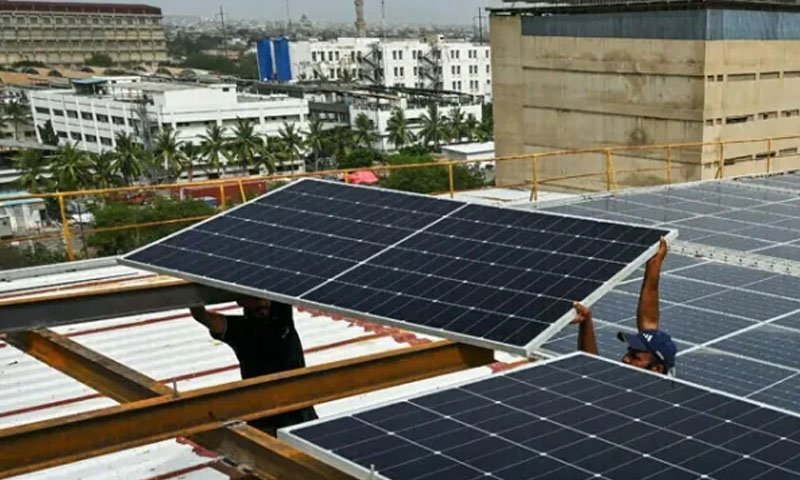
Energy experts note that Pakistan has seen a steady rise in rooftop solar installations in recent years, driven by increasing electricity tariffs, frequent power outages, and growing environmental awareness. Net metering has been a key policy tool enabling consumers to generate their own electricity and sell excess power back to the grid.
The Power Division further cautioned that maintaining a complex approval process for small systems could slow investment in decentralized energy solutions, which are essential for reducing pressure on the national grid and improving energy security.
As of now, NEPRA has not issued an official response to the request. However, the outcome of this proposal is likely to have significant implications for the future of Pakistan’s solar energy landscape, particularly for small-scale users looking to transition to renewable power.
Industry observers suggest that a rollback to the earlier policy could accelerate solar adoption once again, while maintaining the current framework may require additional incentives to offset the increased regulatory burden.
About The Author