
Islamabad positions itself as a key diplomatic bridge while urging responsible reporting amid sensitive regional negotiations
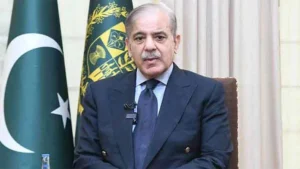
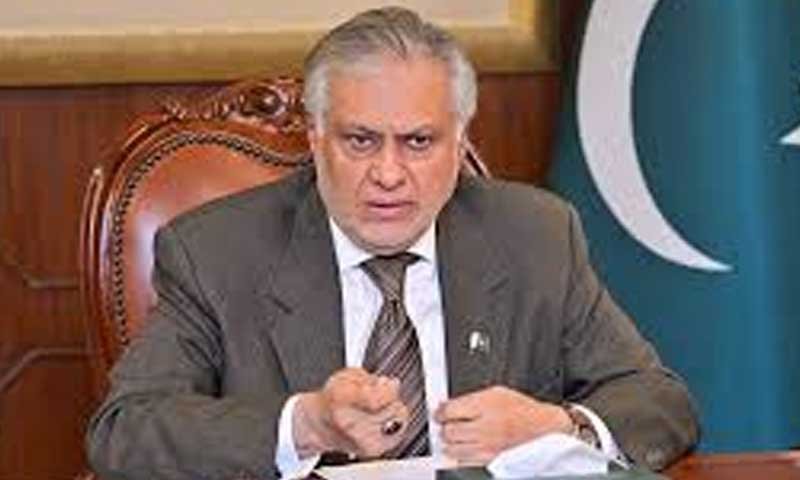
ISLAMABAD: Pakistan has reaffirmed its active diplomatic role in facilitating dialogue between the United States and Iran, with Deputy Prime Minister and Foreign Minister Ishaq Dar emphasizing the country’s commitment to easing tensions in a volatile region.
Speaking during a high-level review of regional developments on Saturday, Dar said Islamabad remains fully engaged in supporting backchannel and formal diplomatic efforts aimed at reducing friction between Washington and Tehran. He described Pakistan’s role as a “constructive facilitator,” stressing that stability in the region carries implications far beyond immediate borders.
Commitment to Regional Stability
Dar underscored that Pakistan views the de-escalation of tensions between the US and Iran as critical to global peace and economic stability. He noted that Pakistan’s longstanding diplomatic relationships with both countries position it uniquely to act as a bridge in complex geopolitical negotiations.
“Pakistan will continue to provide space and support for meaningful engagement,” Dar said, adding that dialogue remains the only viable path to resolving longstanding disputes. His remarks come at a time of renewed uncertainty in the Middle East, where shifts in alliances and ongoing conflicts have heightened the need for neutral intermediaries.
Analysts say Islamabad’s mediation efforts reflect its broader foreign policy strategy of balancing relations with major global powers while promoting regional peace. Pakistan has historically played quiet but significant roles in facilitating negotiations in sensitive geopolitical situations.
Warning Against Media Speculation
Addressing the media, Dar issued a firm warning against speculative reporting, particularly stories relying on unnamed sources or unofficial channels. He clarified that only statements released through formal government platforms should be considered authoritative.
“Reports based on anonymous sources do not represent Pakistan’s official position,” he said, urging journalists and media organizations to exercise responsibility given the sensitivity of ongoing diplomatic efforts.
Dar emphasized that inaccurate or premature reporting could undermine trust between negotiating parties and potentially disrupt delicate progress. He called on both print and electronic media to rely strictly on verified information to preserve the credibility of the mediation process.
Implications and What Comes Next
Pakistan’s renewed emphasis on mediation comes amid shifting diplomatic dynamics, including fluctuating US-Iran relations and broader regional security concerns. While no formal breakthrough has been announced, officials suggest that maintaining open communication channels remains a priority.
Observers believe Pakistan’s role could expand if tensions escalate or if both sides seek neutral ground for future talks. However, the success of such efforts will depend heavily on discretion, trust, and sustained diplomatic engagement.
For now, Islamabad appears focused on quietly advancing dialogue while managing domestic and international expectations — a task made more challenging in an era of rapid information flow and heightened media scrutiny.
About The Author