

ISLAMABAD: Pakistan’s development priorities for the upcoming fiscal year came under intense review on Monday as the Annual Plan Coordination Committee (APCC) examined a proposed Rs1.126 trillion allocation for the Public Sector Development Programme (PSDP) amid mounting fiscal pressures and a rapidly expanding development pipeline estimated at nearly Rs10 trillion.
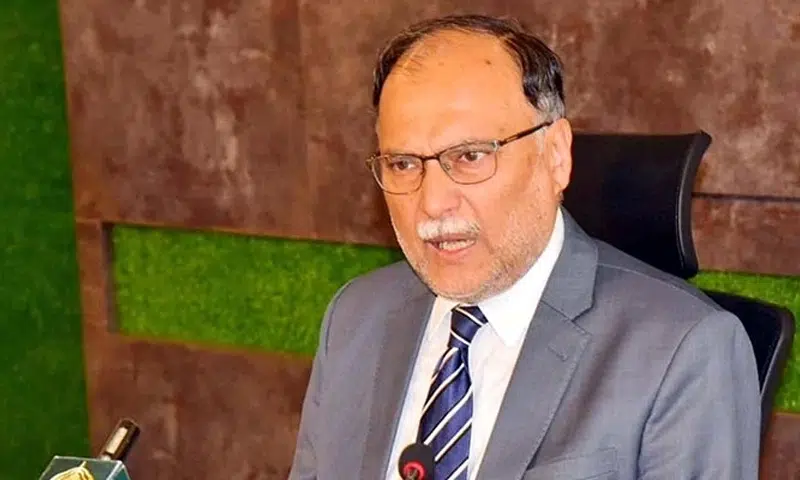
The meeting, chaired by Federal Minister for Planning Ahsan Iqbal, focused on development spending, economic growth targets and resource allocation for Budget 2026–27. Officials are also considering a proposed GDP growth target of 4 percent for the next fiscal year.
Representatives from federal ministries and provincial governments participated in the session, including Khyber Pakhtunkhwa Finance Adviser Muzammil Aslam and Sindh Provincial Minister Jam Khan Shoro.
Addressing the meeting, Iqbal said Pakistan’s development budget has remained largely unchanged over the past eight years despite increasing infrastructure requirements and growing development demands. He noted that while Rs1.126 trillion was allocated under the PSDP for the current fiscal year, the financial resources required to complete ongoing projects are significantly higher.
According to the planning minister, approximately Rs10 trillion is needed to complete projects already included in the national development pipeline. He said debt servicing continues to consume a substantial share of government resources, limiting the fiscal space available for development expenditures.
Iqbal further stated that provinces have improved their capacity to finance development initiatives, while the federal government continues to struggle with resource limitations. This has widened the gap between federal and provincial development spending.
The minister revealed that Pakistan’s development pipeline has expanded to nearly Rs10 trillion, while PC-1 project proposals worth around Rs5 trillion are currently under review. In addition, proposals for new development schemes totaling Rs720 billion have been prepared, though he indicated that non-priority projects may not move forward under the next fiscal framework.
He emphasized that completing ongoing projects remains the government’s foremost priority, adding that ministries have collectively sought nearly Rs3 trillion for development initiatives in FY2026–27, far exceeding the available fiscal space.
Officials informed the committee that the PSDP currently consists of 786 projects, including 197 major schemes. Around 81 percent of PSDP resources are allocated to large-scale projects, while medium-sized initiatives receive approximately 15 percent of the funding.
Under the proposed development framework, Rs125 billion has been earmarked for the N-25 highway project, while Rs87 billion is expected to be allocated to projects associated with coalition partners. The government has also proposed Rs100 billion for development projects in Balochistan and Rs153 billion for Gilgit-Baltistan, Azad Jammu and Kashmir and the merged districts.
Iqbal noted that these regions are generally covered under National Finance Commission (NFC) arrangements, but the federal government continues to provide additional financial support to accelerate development efforts.
Officials also highlighted a current PSDP funding shortfall of Rs15 billion, while discussions on final allocations and development priorities for Budget 2026–27 remain ongoing ahead of the federal budget announcement.
About The Author